PADI Course Director Training • Singapore • Since 2006
The IDC Program
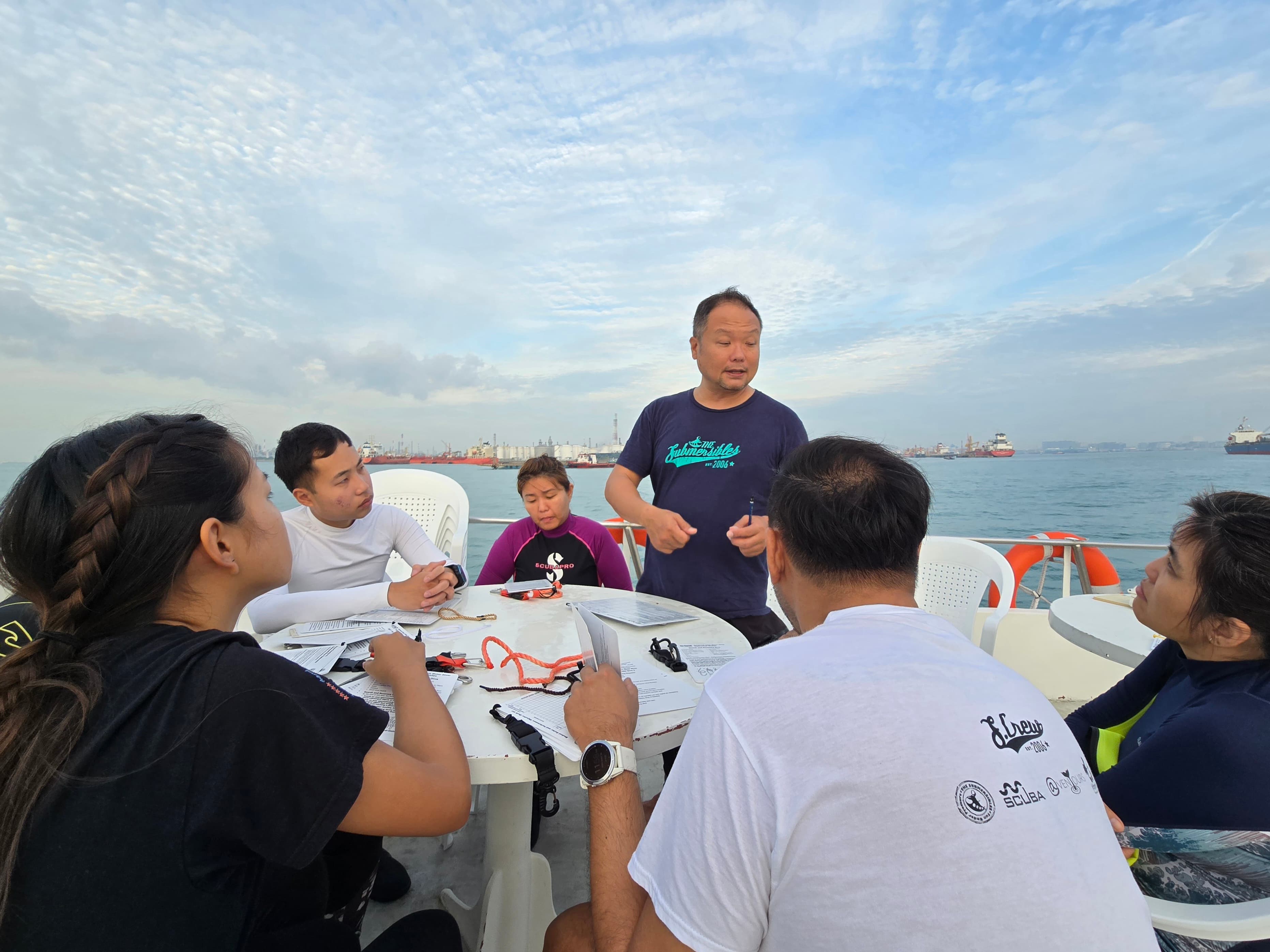
Our coaching-first Instructor Development Course combines the Assistant Instructor (AI) course and Open Water Scuba Instructor (OWSI) programme into one intensive training experience — preparing you to pass the PADI Instructor Examination and launch your career as a confident, capable dive professional.
Course Structure
How the IDC Works
The Instructor Development Course is a two-part programme that takes you from experienced divemaster to fully qualified PADI Instructor, ready for the Instructor Examination.
AI (Assistant Instructor) Course
The foundation phase of the IDC. You'll learn to assist certified instructors with student training, lead Discover Scuba Diving programmes independently, and teach certain PADI Specialty courses. This builds the core teaching skills and professional habits that everything else rests on.
OWSI (Open Water Scuba Instructor) Programme
Full instructor training covering classroom presentations, confined water teaching, and open water instruction. This is where you develop your complete teaching identity — learning to plan lessons, manage students in every environment, and deliver training that meets PADI standards with your own personal style.
The Instructor Examination (IE)
After completing the IDC, you'll sit the Instructor Examination — a separate two-day assessment conducted by independent PADI Examiners, not your Course Director. The IE covers knowledge exams, confined water teaching presentations, open water teaching presentations, and rescue skills demonstration.
By the time you reach the IE, you'll have practised everything it tests. Our candidates arrive prepared and confident — because real preparation, not last-minute cramming, is what we do.
Duration
The IDC runs over approximately two weeks of intensive training. Scheduling can be flexible depending on intake dates and candidate availability — get in touch to discuss the best option for you.
IDC Curriculum
What You'll Learn
Six core curriculum areas prepare you for both the IDC assessments and the independent PADI Instructor Examination — building the skills, knowledge, and confidence to teach diving professionally.
Knowledge Development
Learn to teach PADI dive theory with confidence — physics, physiology, equipment, decompression theory, and RDP/eRDPML. You’ll deliver classroom and confined water academic presentations that prepare students to dive safely.
Confined Water Training
Develop demonstration-quality skills in pool conditions. Master skill circuits, teaching presentations, and the evaluation criteria you’ll face at the IE through repeated practice and detailed feedback.
Open Water Training
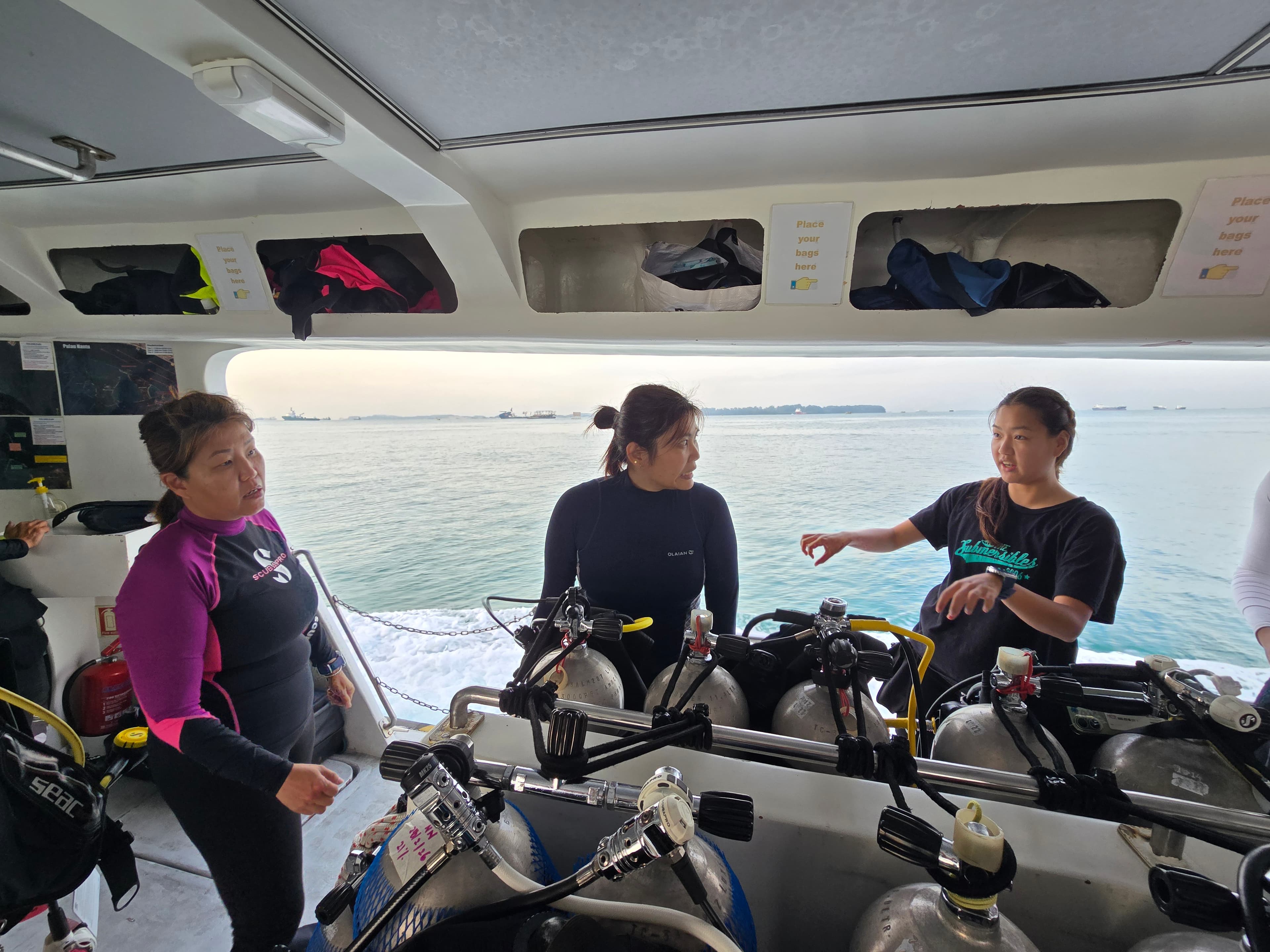
Gain real-world instruction experience at actual dive sites. Learn briefings, site management, student supervision, underwater teaching, and post-dive debriefing in conditions that mirror professional life.
Rescue Skills
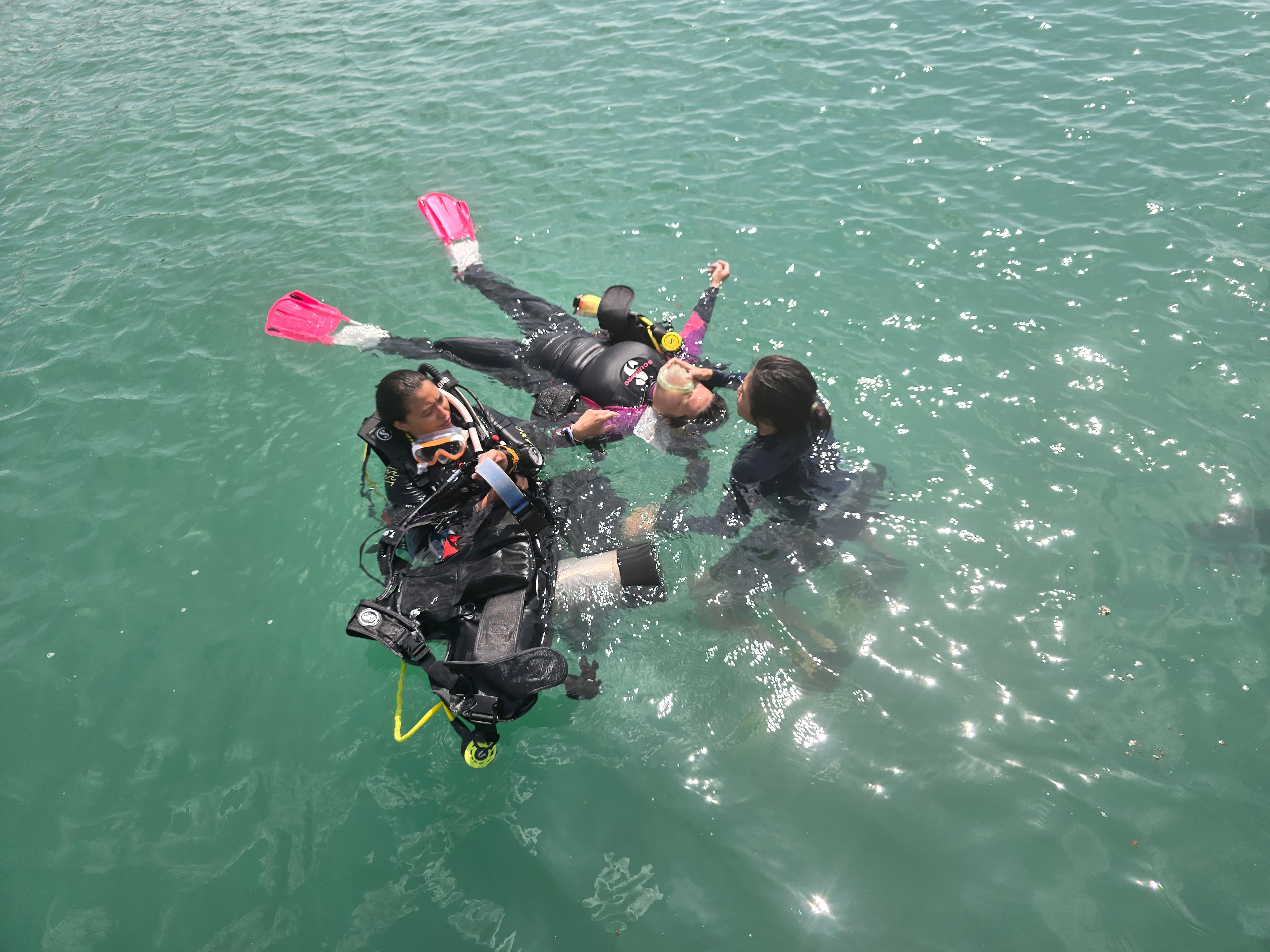
Demonstrate instructor-level rescue management. Organise rescue scenarios, lead emergency responses, and build the proactive safety mindset that every dive instructor needs to protect their students.
Teaching Presentations
Formal practice of classroom, confined water, and open water presentations mirroring IE assessment format. Peer teaching with structured feedback cycles from your Course Director refines your delivery.
Professional Development
Dive business fundamentals, PADI standards and procedures, marketing yourself as an instructor, legal and insurance awareness, and career pathway planning to set you up for long-term success.
Our Methodology
Our Coaching Approach
Every candidate starts with a 1-on-1 skills diagnostic with the Course Director. We assess classroom presentation confidence, confined water demonstration quality, open water teaching organisation, and rescue scenario management. This isn't a generic checklist — it's an honest conversation about where you specifically need the most work before training begins.
Based on that diagnostic, your practice schedule is built around your gaps, not a fixed curriculum sequence. If confined water demonstrations need work, you get extra pool time with targeted drills. If briefings need polish, you practise with real students before assessments. No two candidates follow the exact same daily plan. Maximum 4 candidates per IDC means this is genuinely possible — not a marketing claim.
The goal isn't just to pass the Instructor Examination — it's to develop a teaching identity that's authentically yours. How you brief, how you manage nervous students, how you structure your open water sessions. By graduation, candidates don't just hold a certification — they have a teaching voice they've already tested on real people. The IE becomes a formality because the real learning happened weeks before it.
1-on-1 Skills Diagnostic
Every candidate begins with an individual assessment. We identify your specific weak points — whether it's briefing structure, rescue scenarios, or confined water demos — and build your training plan around them.
Adaptive Daily Practice
No fixed schedule fits everyone. Your daily practice plan shifts based on your progress — extra pool sessions if demonstrations need polish, more classroom reps if presentations need confidence.
Real Students, Real Feedback
You teach actual dive students during your IDC, not classmates pretending. Real reactions, real questions, real nerves — and immediate coaching feedback after every session.
Your Teaching Identity
We don't produce cookie-cutter instructors. By the end of your IDC, you'll have developed your own briefing style, your own way of managing students, and the confidence to teach independently from day one.
Our Commitment
Conservation at the Core
Training here shapes your teaching identity — not just your certification.
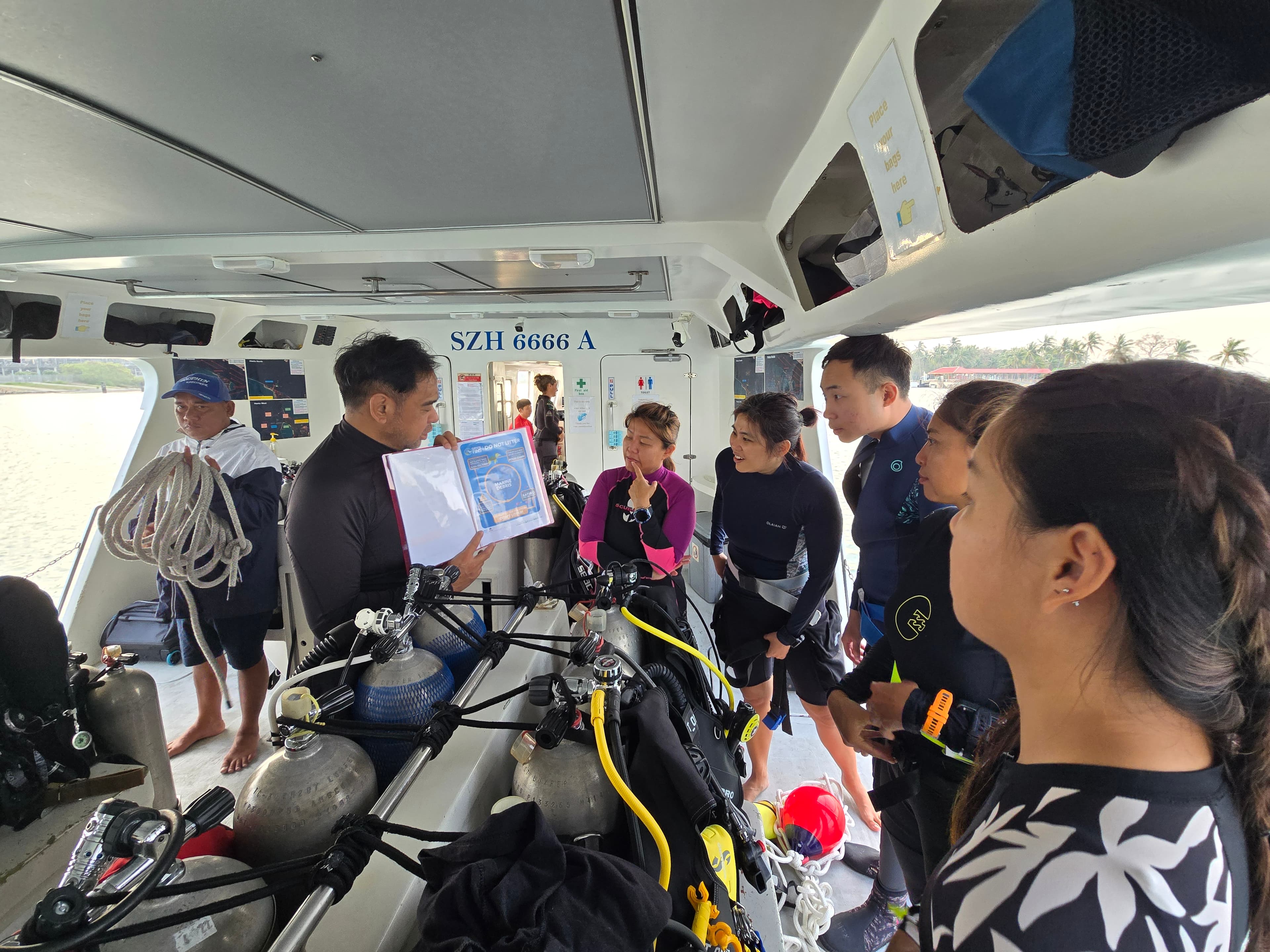
At The Submersibles, conservation isn't an add-on — it's woven into how we train instructors. Every aspect of our IDC programme reflects a commitment to the marine environment, because we believe the best dive instructors are those who teach their students to protect the ocean from their very first breath underwater.
PADI AWARE Specialty is integrated into every Open Water course we run. When you train here, you learn to teach diving with environmental stewardship — not as separate concerns, but as one inseparable practice. Your students will see you model conservation-first diving from day one.
This is what sets you apart as an instructor. When you graduate from The Submersibles, conservation is part of your professional DNA — it shapes how you plan dives, brief students, and lead by example in the water. That's a teaching identity employers and students recognise.
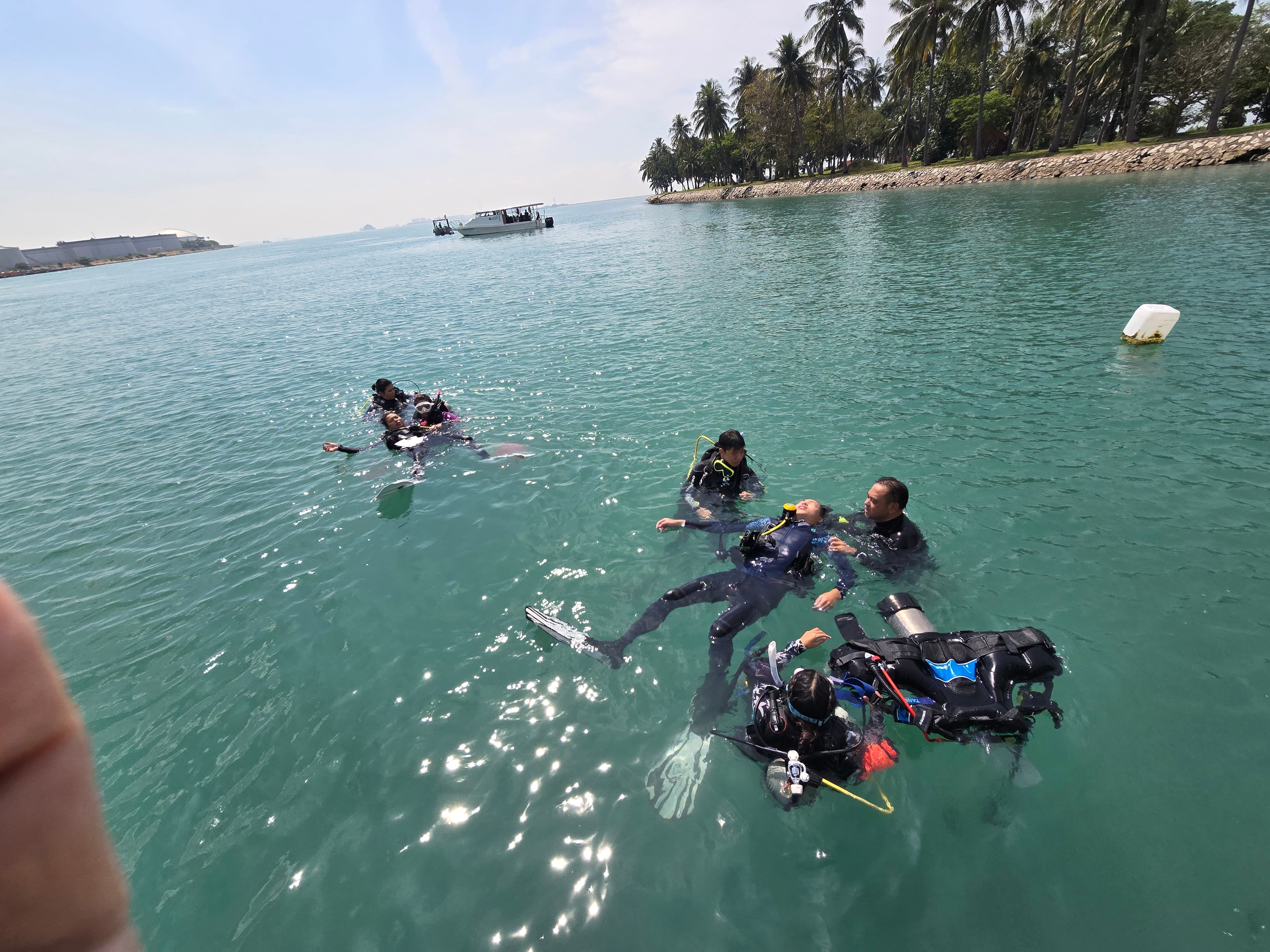
40+ Dive Against Debris Events
Regular underwater cleanups that double as teaching opportunities for IDC candidates.
PADI AWARE Integration
Every Open Water course includes PADI AWARE Specialty — your candidates will learn to teach conservation from the start.
Coral Restoration Research
Active partnerships with WWF and Tropical Marine Science Institute (TMSI) on reef restoration.
Featured in National Media
Conservation work recognised by The Straits Times and Zaobao — credibility that transfers to your teaching profile.
Prerequisites
Entry Requirements
The IDC is designed for experienced divers ready to take the professional step. Here's what you need before enrolling.
- PADI Divemaster certification (or equivalent qualifying certification)
- Minimum 60 logged dives
- Emergency First Response (EFR) certification current within 24 months
- At least 6 months since Divemaster certification
- Minimum age: 18 years
- Medical clearance for diving (physician's statement)
Not sure if you're ready? Take our readiness quiz or get in touch — we're happy to help you assess your path.
What's Included
What's Included
Your IDC enrolment covers everything you need to train, prepare, and sit the Instructor Examination — from official PADI materials and facility access to dedicated Course Director mentorship.
PADI Course Materials
- IDC Staff Instructor Manual
- PADI Instructor Manual
- Cue cards and teaching slates
- PADI Guide to Teaching
- E-learning access
- Knowledge review answer keys
Training Facilities
- Classroom sessions with AV equipment
- Confined water (pool) access
- Open water dive site access
- Equipment use during training
Instructor Support
- Course Director mentorship throughout
- Mock IE sessions
- Personalised skill coaching
- Post-IDC career guidance
IE Preparation
- Practice teaching presentations
- Timed knowledge exam drills
- Rescue scenario rehearsals
- Standards and procedures review
Training Day
A Day in the Life
Here's what a typical training day looks like during the IDC. The schedule shifts as the programme progresses — classroom-heavy in the early days, moving to more open water sessions later.
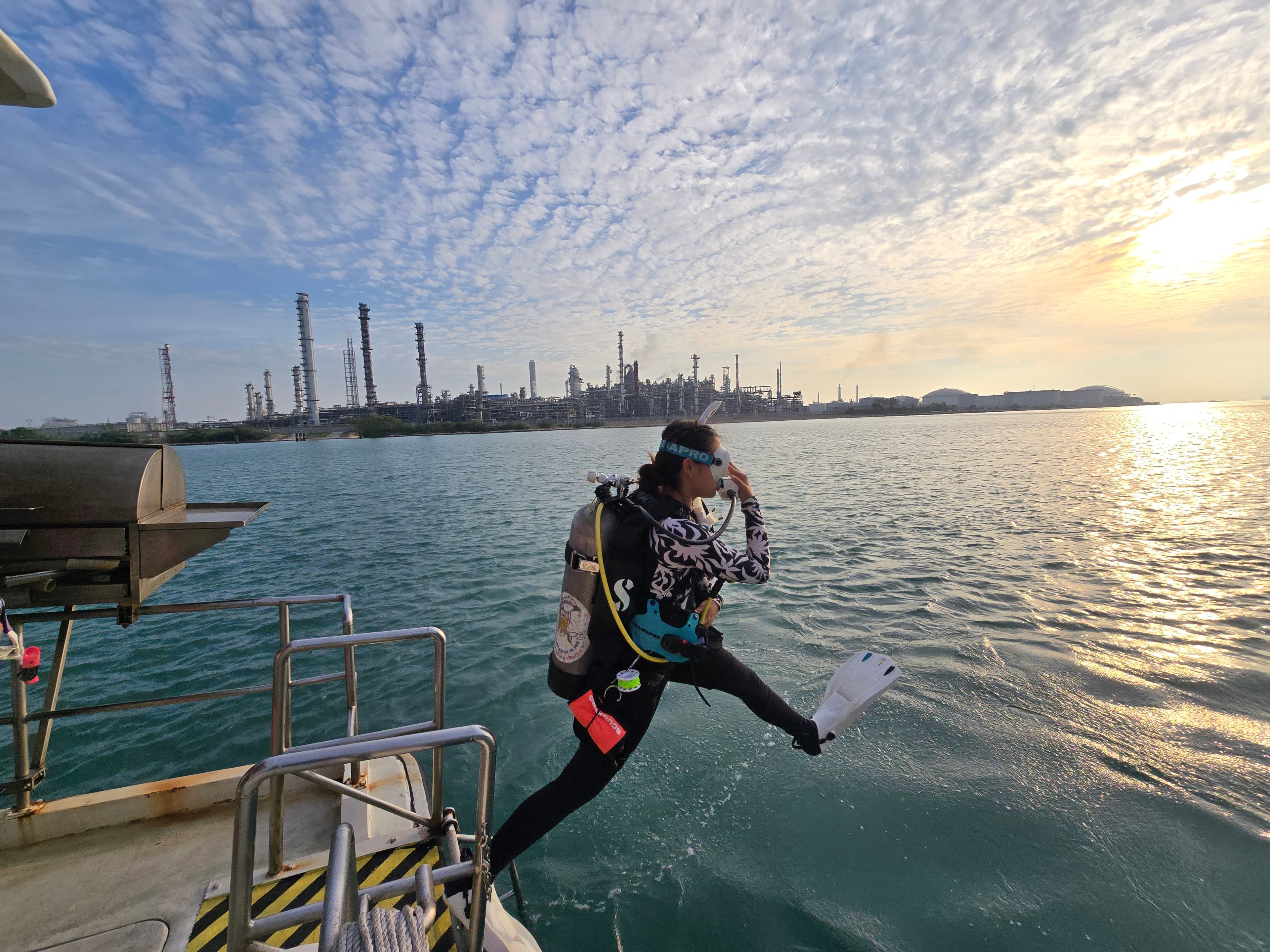
Morning Briefing
Review the day’s objectives, teaching assignments, and any schedule adjustments with your Course Director.
Knowledge Development
Classroom presentation practice or dive theory workshop — learning to teach physics, physiology, and decompression concepts.
Confined Water Session
Pool skills teaching practice: demonstration-quality skill circuits, confined water presentations, and peer evaluation.
Lunch Break
Recharge, review notes, and debrief informally with your cohort.
Open Water or Continued Training
Dive site instruction when scheduled — briefings, student management, and underwater teaching. Otherwise, extended classroom or pool work.
Debrief & Feedback
One-on-one coaching session with your Course Director. Targeted feedback on the day’s teaching and skill performance.
Self-Study & Prep
Exam preparation, standards review, and teaching assignment preparation for the next day.
Your Career
Your Career Starts Here
Completing your IDC with us doesn't end with certification. Our graduates have a ready path into teaching — at Submersibles, with Adventours.sg, and across a regional market that's actively hiring qualified instructors.
Adventours.sg, our STB-certified dive travel partner, runs regular trips across Indonesia, the Philippines, Malaysia, Thailand, and the Maldives. Graduates who want to teach internationally have an immediate network to tap into.
The alumni community is small and connected — Submersibles graduates know each other, share opportunities, and return for continuing education. You're joining a professional network, not just earning a card.
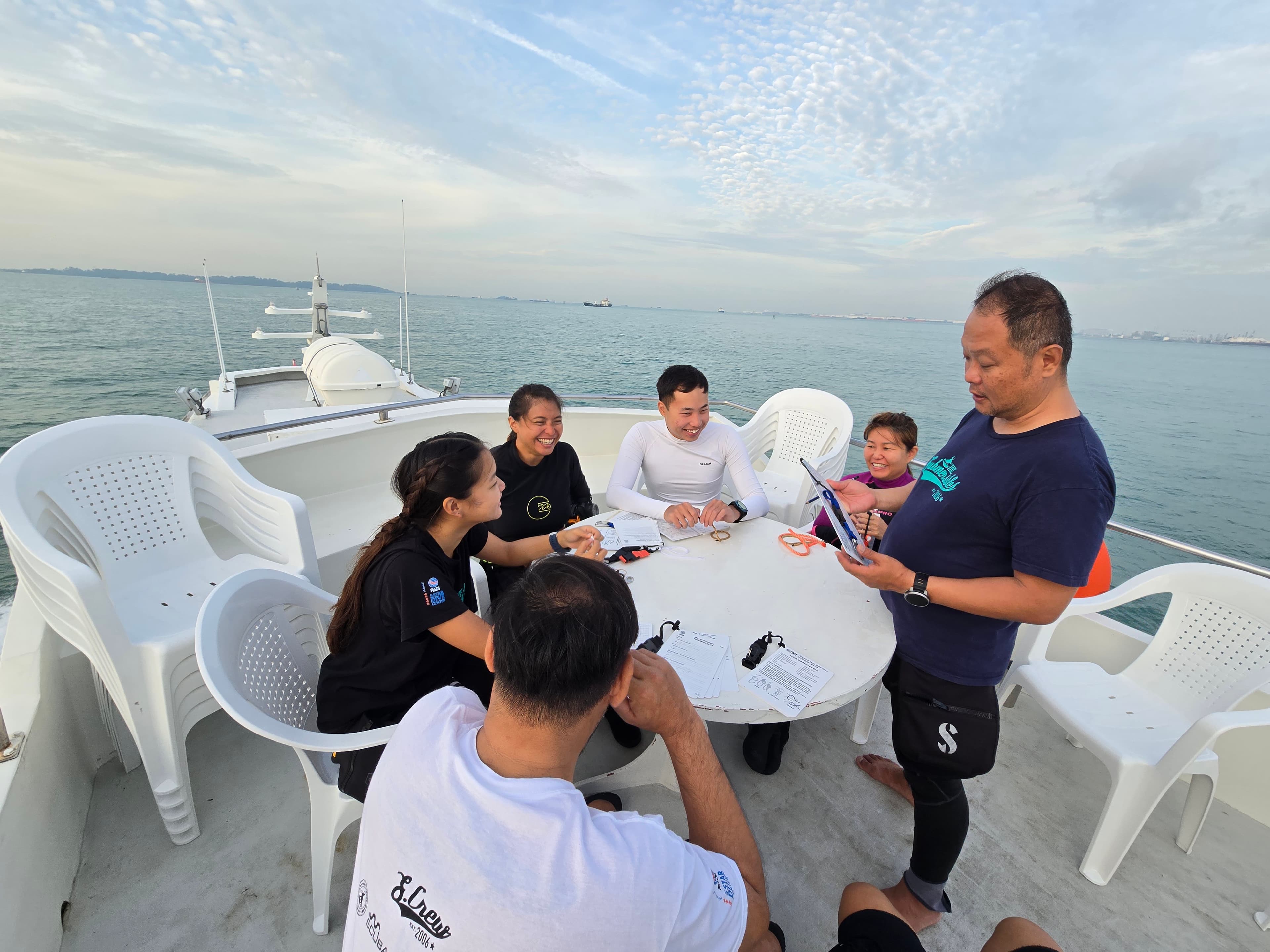
In-House Teaching Opportunities
The Submersibles runs regular courses year-round. Graduates who want to start teaching immediately have opportunities within the team before heading elsewhere.
Adventours.sg Dive Trips
Our STB-licensed dive travel arm (TA-03063) runs liveaboard and resort trips to Indonesia, the Philippines, Malaysia, Thailand, and the Maldives. IDC graduates have a direct pathway to lead these trips.
Alumni Community
A small, active network of Submersibles-trained instructors across Singapore and the region. Opportunities circulate here — job openings, trip crew needs, guest instructor slots.
Regional Market Access
Indonesia, the Philippines, Malaysia, Thailand, the Maldives — Southeast Asia has strong demand for PADI-qualified instructors. Your PADI certification and Submersibles training opens doors across the region.
Ready to Start Your Instructor Journey?
Join a program built on mentorship, conservation values, and a career community that stays active long after certification.